

Oregon State University continues to make big discoveries that drive big solutions. The Division of Research and Innovation collaborates with faculty researchers, students and industry leaders in transdisciplinary teams across the sciences, engineering, arts, social sciences and humanities to create equitable, sustainable prosperity across Oregon and beyond.
Research that drives big solutions and innovation


It’s a historically tumultuous time for researchers and federal funding, but our 2025 Research and Innovation Annual Report shows that Oregon State University, while not immune to the winds of change, is more than holding steady against the storm.
Against the backdrop of myriad federal funding cuts, as well as policy changes that have left many institutions and their researchers reeling, OSU remains a recognized leader in discovery in a wide range of areas. Evidence of that abounds, including our recent selection by the Department of Energy to host a $17 million center focused on making electronics better able to withstand radiation; our $11.9 million award from the Department of Defense to enhance the health of our armed forces; our quantification of environmental factors that make wildfire smoke more deadly and expensive; and countless other examples of our excellence, many of them showcased in this report.
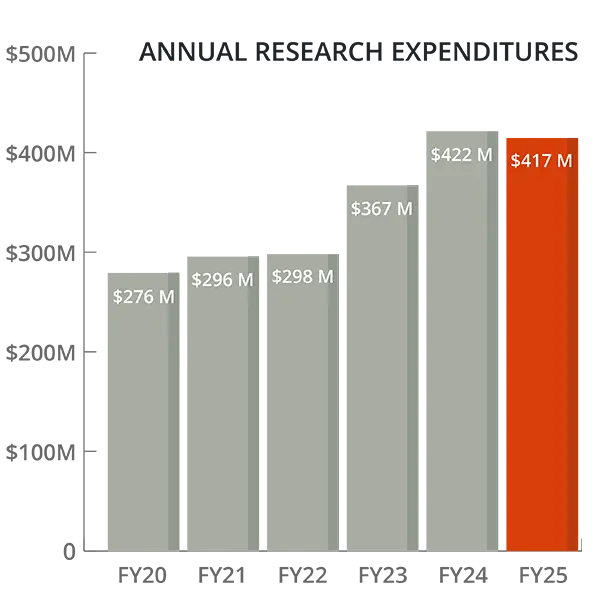
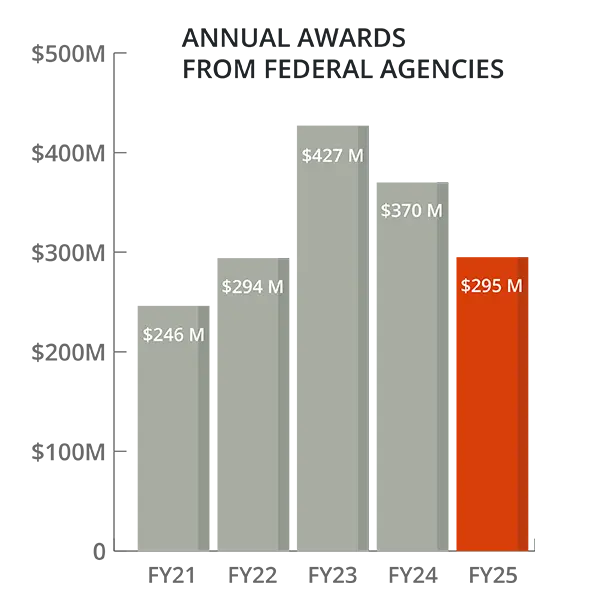
While fiscal year 2025 marked the first time in the last four years that our research expenditures did not increase, expenditures still topped $400 million for the second straight year. Research expenditures are one indicator of our research productivity, and our expenditures level is particularly remarkable given the reduction in federal awards that we saw in 2025.
Navigating changes in the funding landscape is not necessarily easy, but with our strengths in strategic areas of national importance including semiconductors, artificial intelligence, robotics, energy systems and critical minerals, we are well positioned to compete for federal research grants and also to pursue new funding sources.
Looking eagerly ahead to the 2026 opening of the Jen-Hsun Huang and Lori Mills Huang Collaborative Innovation Complex, we’re excited to employ research computing, data sciences, robotics, and AI to bolster our work in the research focus areas spelled out in the university’s strategic plan, Prosperity Widely Shared, which provide a framework for research and innovation in environmental resilience, energy systems and smart infrastructure, intelligent systems and robotics, and healthy aging and biotechnology.
I’m excited to be under way on a new year of the phenomenal scholarship, research and innovation that Oregon State University is known for.
Irem Y. Tumer, Ph.D.
Vice President for Research and Innovation
Research and Innovation by the Numbers
$0
million
in research expenditures
$0 million
in federal research awards
faculty, post doc, Ph.D. and graduate student participants in innovation programs
More than 0
companies launched since 2013 through OSU innovation and entrepreneurship programs
licenses and options for university inventions
invention disclosures
#1
most innovative university in Oregon (U.S. News and World Report)
Faculty Excellence
Oregon State’s nearly 3,000 faculty are groundbreaking researchers, innovative scholars and experts in their fields. They have earned national and international reputations for transdisciplinary collaboration and real-world problem-solving.
Distinguished Professor
Since 1988, Oregon State has awarded the designation Distinguished Professor to faculty nominated by their deans. Recognizing exceptional records in scholarship and creative work, teaching and mentoring, and public engagement and service, the title Distinguished Professor is the highest faculty honor granted by the university.

Melissa Cheyney,
University Distinguished Professor of Clinical Medical Anthropology
Lecture: Uplifting Birth Justice: Imagining More Equitable Reproductive Futures
National Academies of Sciences Elections

Heidi Schellman, Professor in the Department of Physics. Schellman’s trailblazing research focuses on the elusive neutrino — one of the universe’s most abundant yet challenging-to-detect particles.

Peter U. Clark, University Distinguished Professor of Earth, Ocean, and Atmospheric Sciences. Clark studies glaciers, ice sheets, sea level change, paleoclimatology and abrupt climate change.
Presidential Award Winner
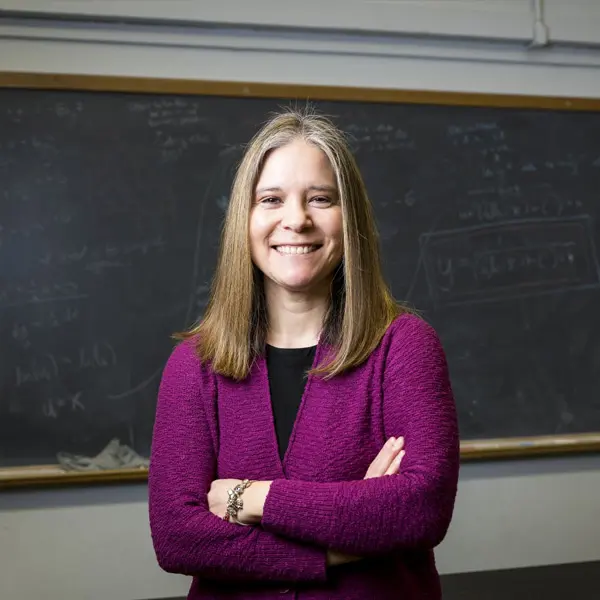
Elise Lockwood,
Lockwood, a faculty member in the Department of Mathematics in the College of Science, has been honored with the Presidential Early Career Award for Scientists and Engineers for her innovative research in mathematics education.
Other Honorees

Alan Mix, Distinguished Professor, received the American Geophysical Union’s Maurice Ewing Medal.
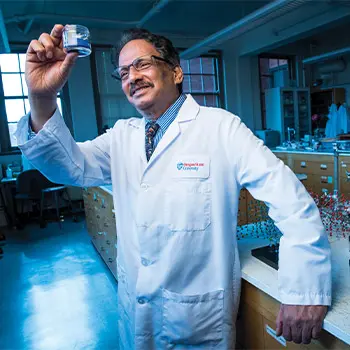
Mas Subramanian, Distinguished Professor, earned the American Chemical Society’s National Award in Inorganic Chemistry.

Xavier Siemens, Astrophysicist, received the Bruno Rossi Prize from the High Energy Division of the American Astronomical Society.
Authors and Editors
The Authors and Editors Series celebrates literary and scholarly books published by Oregon State faculty each year. Selected authors and editors are featured in a series of readings, lectures, discussions and receptions, hosted by the Office of the Provost in partnership with the OSU Center for the Humanities.

Jane Lubchenco
The Blue Compendium: From Knowledge to Action for a Sustainable Ocean Economy
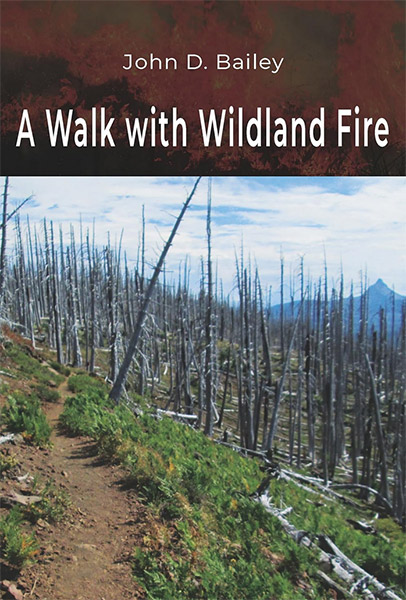
John Bailey
A Walk with Wildland Fire

Jay Dicharry
Running Rewired: Reinvent Your Run for Stability, Strength, and Speed, Second Edition

Inara Scott
Sustainable Capitalism: Essential Work for the Anthropocene
National Science Foundation CAREER Awards

Tim Zuehlsdorff, Assistant professor of chemistry, received a $670,828 CAREER award to develop computational tools for simulating how molecules interact with light in complex environments, with applications in light-harvesting and biomedical imaging.

Naomi Fitter, Assistant professor of robotics, received a $687,156 CAREER award to develop socially engaging robots that gently nudge older adults toward healthier behaviors, starting with hydration support.
Investing in Faculty
Fellows Continue to Pay Big Dividends
By the end of FY2025 the Research Advancement Academy had selected and provided cohort-based professional development and coaching for 52 early- and mid-career faculty Fellows, supporting them in leading large, transdisciplinary projects. Of those faculty, 20 Fellows have gone through the program with generous support from the Wayne and Gladys Valley Foundation. During 2025, 10 new Valley Fellows and nine new Research Advancement Fellows completed the Academy. The initial cohort of Valley Fellows has combined for 41 awards, worth nearly $36 million, to advance biohealth research.
Building on Our Strengths
Oregon State’s international reputation for research excellence is driven by exceptional faculty, highly ranked undergraduate and graduate programs and our unique assets. Artificial intelligence and supercomputing underpin much of our work in these signature areas:
Climate Science and Solutions
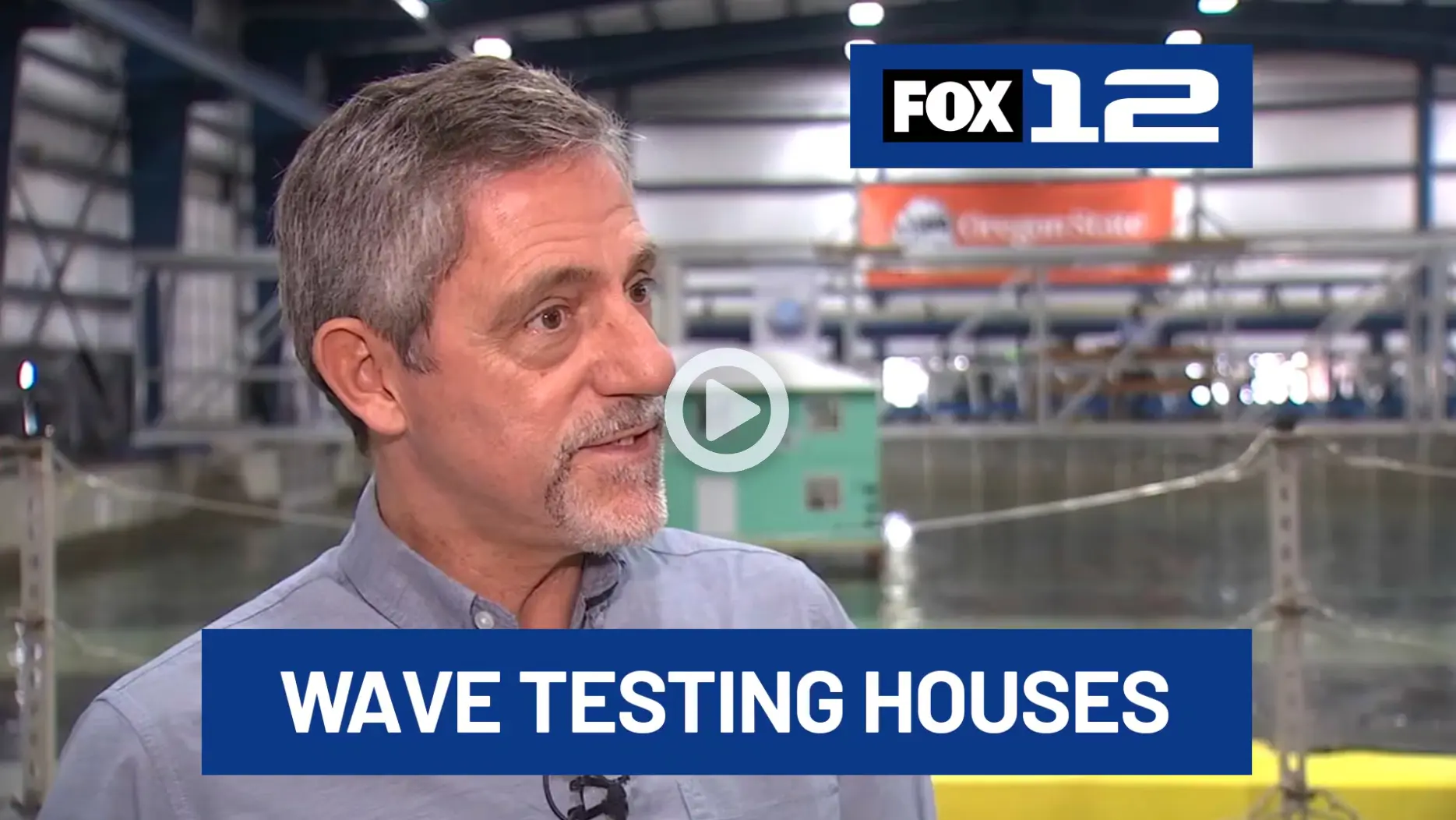
Making coastal communities more safe from storms
Researchers in the OSU College of Engineering are studying hurricane surge and wave impacts to better understand structural failure and the role building elevation plays in mitigating storm damage, paving the way for new construction techniques.

Higher temperatures linked with more wildfire smoke deaths
Oregon State research shows that a warmer environment caused 15,000 additional U.S. deaths from wildfire smoke between 2006 and 2020, with a $160 billion economic toll. The study highlights how warming is driving more severe fires and worsening air quality, especially in the West.
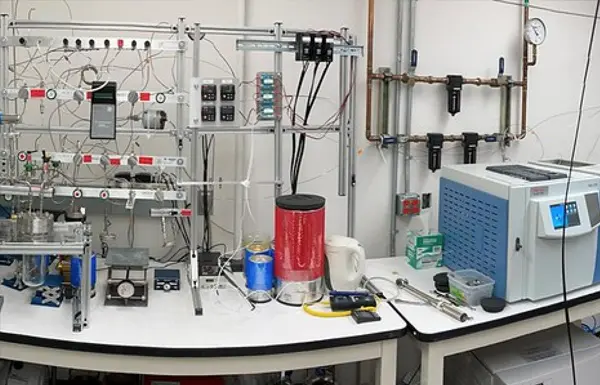
Ice Age methane sheds light on wildfire increases
An analysis of ancient Antarctic ice shows that the Earth experienced short, sudden bursts of burning that happened in concert with big climate shifts.

Doubling carbon capture with a chemical breakthrough
Oregon State scientists have more than doubled the carbon dioxide uptake of a copper-based material used for industrial carbon capture. By exposing the structure to ammonia gas, researchers enhanced its performance while keeping energy costs low — a promising step toward scalable, efficient carbon scrubbing technologies.

Surf-break protection helps coastal communities, ecosystems
Safeguarding places known for the big waves that surfers love is an opportunity to simultaneously promote resilience and fuel tourism, research by an OSU College of Forestry scientist has shown.
Clean Energy and Solutions
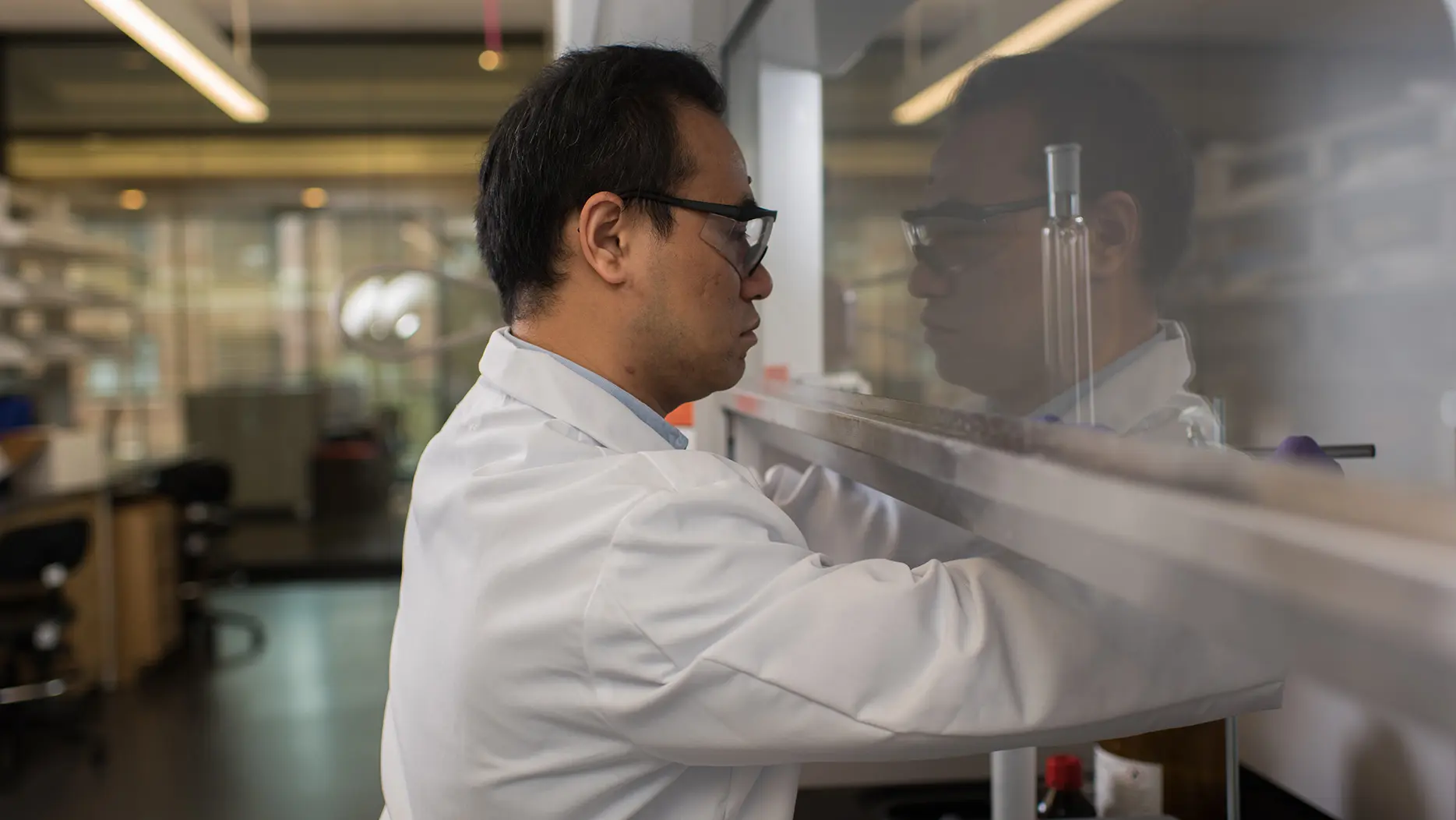
Converting captured carbon dioxide into energy source
Methanol, important for the manufacture of many everyday goods and for its energy potential, may soon be produced faster and more efficiently thanks to work by OSU College of Engineering researchers.

Working to make electronics more resilient to radiation
Oregon State University’s new $17M CARRE Center, funded by the National Nuclear Security Administration, unites six universities to enhance electronics’ resilience to radiation for space and defense. The center develops simulation tools to design robust components, reducing costly experiments and training future scientists.

Advancing critical mineral solutions
Oregon State’s Center for Energy and Mineral Resources for Resilient Societies researches critical minerals like lithium and copper, vital for tech like smartphones and EVs. Experts develop eco-friendly mining methods, such as in-situ leaching, while addressing environmental and community impacts. The center integrates geology, engineering, and social sciences to promote sustainable extraction and train future leaders.
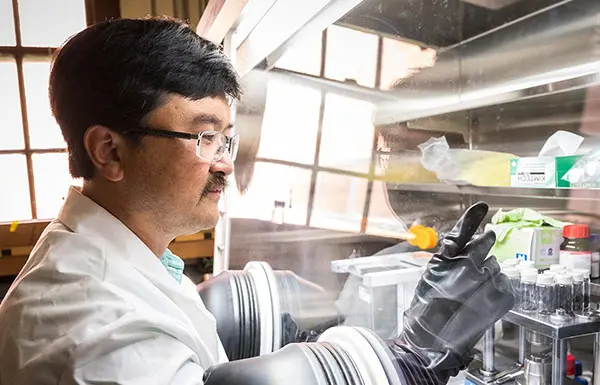
Pushing for water-based batteries
OSU’s Xiulei “David” Ji is part of a Department of Energy-funded consortium advancing aqueous batteries – a safer, more sustainable alternative to traditional energy storage. Backed by $1.35 million in funding, Ji’s work explores water-based solutions that could transform how electricity is stored and used across the grid.
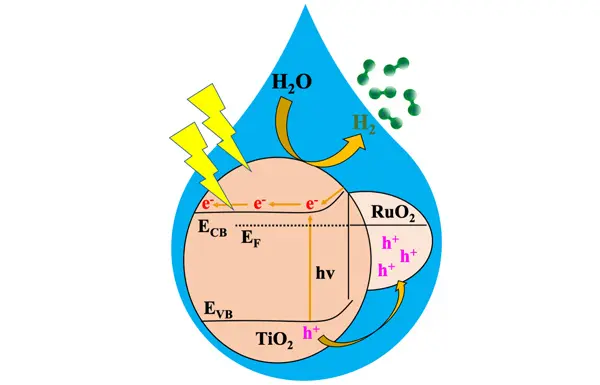
Fast, efficient hydrogen production
Chemistry researchers in the OSU College of Science have developed a material that shows a remarkable ability to convert sunlight and water into clean energy. Scientists created a photocatalyst that enables the high-speed, high-efficiency production of hydrogen, used in fuel cells for cars as well as in the manufacture of many chemicals including ammonia, in the refining of metals and in making plastics.
AI and Robotics
Engineering a healthier economy, planet and populace
Oregon State University is transforming a range of industries including agriculture, marine power and healthcare through innovative robotics and artificial intelligence, driving a smarter, more sustainable future.
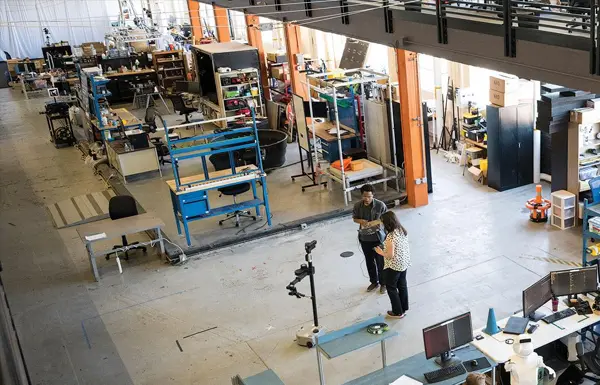
Partnerships, vision push OSU forward
The only university to award Ph.D.’s in both robotics and artificial intelligence, OSU is home to the Collaborative Robotics and Intelligent Systems Institute, which brings together researchers from throughout campus to use AI and robotics expertise to solve problems in agriculture, forestry, marine science and other fields. Agility Robotics and its humanoid robot Digit trace their roots to Oregon State, where the goal is impactful, ethical solutions to real-world challenges.
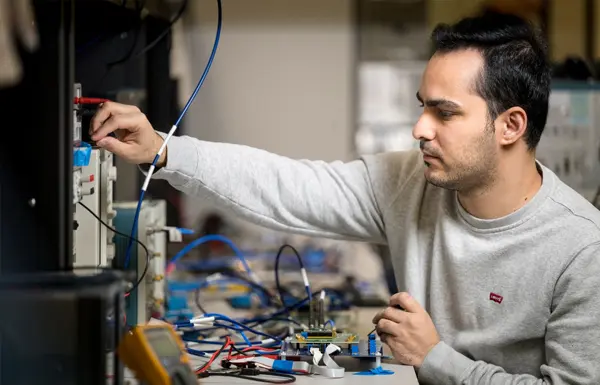
New chip helps AI use less power
Oregon State University College of Engineering researchers have developed a more efficient chip as an antidote to the vast amounts of electricity consumed by large-language-model artificial intelligence applications like Gemini and GPT-4. The chip is based on AI principles that reduce electricity use for signal processing.
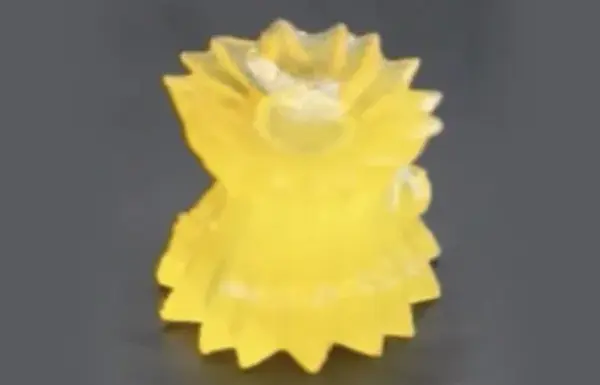
Novel 3D printing approach means better devices
An OSU researcher has helped create a new 3D printing approach for shape-changing materials that are likened to muscles, opening the door for improved applications in robotics as well as biomedical and energy devices. The liquid crystalline elastomer structures, which are like soft motors, can crawl, fold and snap directly after printing.

Robot playmate boosts toddler activity
Oregon State’s GoBot, a custom robot, increases physical activity in 2- to 3-year-olds with autonomous or controlled movements and rewards like sounds. This affordable robotic playmate promotes healthy movement and supports cognitive and motor development.
Integrated Health and Biotechnology
An individualized approach to medicine
Oregon State University's excellence in healthy aging and biotechnology research is as broad as it is deep. Focusing on precision therapies, improved monitoring technologies and environmental inputs, our faculty and students are pursuing discoveries that drive a healthier, happier and more prosperous society.

Nanoparticles target neurological disorders
Oregon State University researchers have discovered a way to get anti-inflammatory medicine across the blood-brain barrier, opening the door to potential new therapies for a range of conditions, including Alzheimer’s disease, multiple sclerosis, Parkinson’s disease and cancer cachexia.
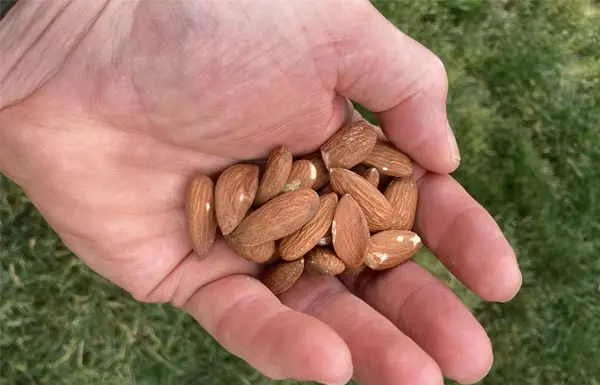
Almond snack comes with health benefits
A daily dose of almonds improved key biological markers for people with metabolic syndrome in a study led by scientists at OSU’s Linus Pauling Institute and the OSU College of Health.
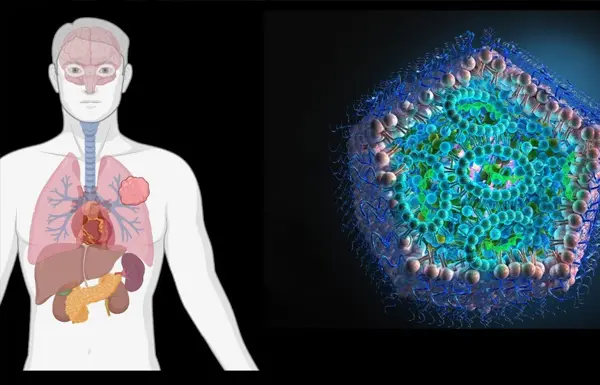
Defense Department looks to OSU to enhance health of armed forces
The U.S. Department of Defense has awarded up to $11.9 million to Oregon State University to invent new drug delivery technologies for protecting members of the military from a range of health threats in combat areas. Once designed, developed and tested, the technologies could also be applied as needed within the general public.

Exploring the causes of cancer in young people
A multistate state study led by a researcher in the OSU College of Health found a link between childhood leukemia and even low levels of a naturally occurring radioactive gas.
Fueling a Thriving World
By combining exceptional research and teaching with an unparalleled capacity to work with public and private partners, Oregon State serves as a powerful engine for widely shared, environmentally sustainable prosperity in the state, the nation and the world.
Building for innovation in Central Oregon
Oregon State University – Cascades is poised to begin development of the first phase of the campus’s future innovation district, a dynamic built environment that can help realize the university’s vision to attract mature anchor and startup company tenants to collaborate with the university. The district is envisioned to provide opportunities that advance research, commercial innovations and student experiential learning through collaborations with companies in industries that represent Central Oregon and the state’s economic and workforce priorities, as well as the academic and research expertise at OSU-Cascades – including outdoor products, energy systems and biotechnology. The 24-acre innovation district will be located on what was a county-owned and closed demolition landfill.
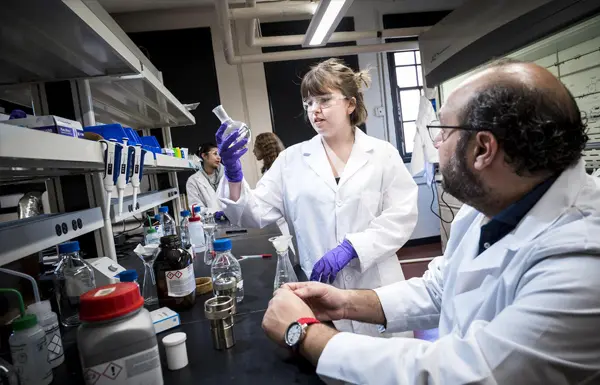
OSU creates $3.5B economic impact
Oregon State University generates $3.5 billion in economic value and supports 22,000 jobs annually, with OSU’s research enterprising contributing $797.5 million and 3,300 jobs. From Corvallis to Portland and rural areas, Oregon State innovations like NuScale Power and Agility Robotics fuel prosperity throughout the state and region.
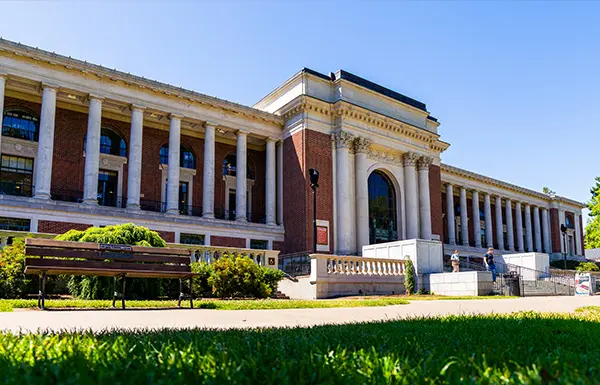
OSU secures $3.3M for workforce training
Oregon State University received grant funding for four projects targeting underserved communities. Initiatives include veteran semiconductor training, a Portland software development bootcamp, geospatial technology career pathways, and modern forestry equipment training, fostering equity and high-demand job opportunities.

Helping to grow the hemp market
The Global Hemp Innovation Center has been awarded $5.5 million to research new food, beverage and biobased industrial product uses of industrial hemp. Researchers from Oregon State and the U.S. Department of Agriculture’s Agricultural Research Service will develop customized hemp genetics that meet the needs of biobased product manufacturers.
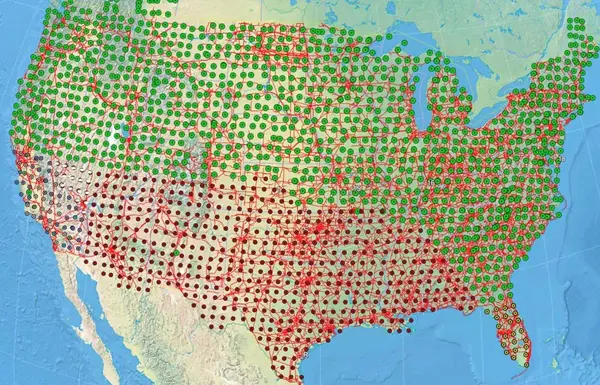
Mapping the nation’s geoelectric field
Oregon State University completed a 20-year, $15 million project to map the U.S. crust and mantle’s electrical properties, aiding power grid protection against solar storms and electromagnetic pulses. Led by Adam Schultz, the 3D geoelectric map also supports geohazard identification and critical mineral exploration.

Driving the microfluidics industry
The Corvallis Microfluidics (CorMic) Tech Hub, led by Oregon State, is an economic engine that stimulates, drives and supports the commercialization of microfluidics-connected technologies to meet national security goals.
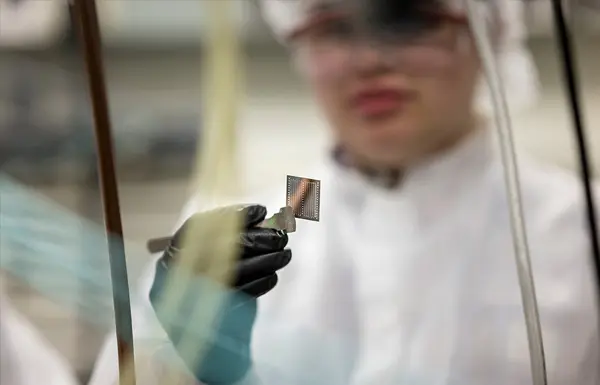
Growing a semiconductor ecosystem
OSU-led Frontiers of Advanced Semiconductor Technology (FAST) is a finalist to receive up to $160 million in Regional Innovation Funding from the National Science Foundation.

Supporting the regional timber economy
The Pacific Northwest Mass Timber Tech Hub works to improve building quality and performance, to create high-skill, high-wage jobs and to increase housing production and affordability.
Facilities for the Future
Oregon State researchers work collaboratively across the sciences, engineering, social sciences, arts and humanities. OSU continues to invest in new, state-of-the-art facilities to fuel collaboration and innovation.
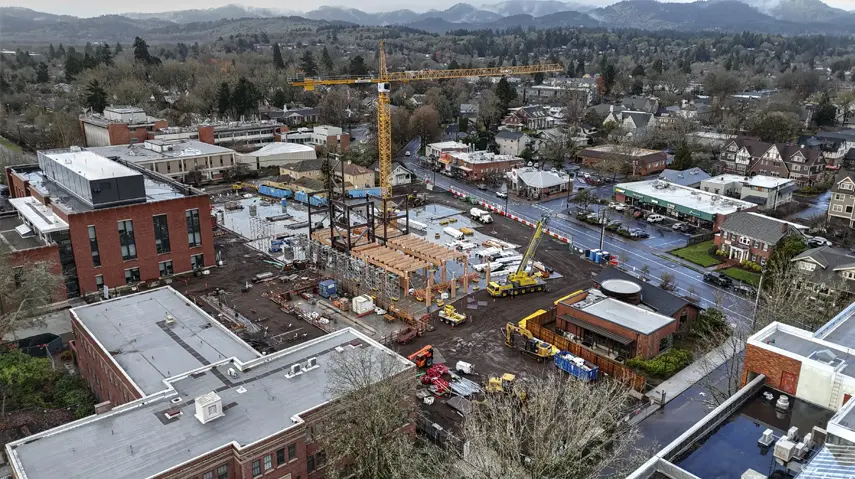
Game-changing innovation complex set to open next year
Work is ongoing for the Jen-Hsun Huang and Lori Mills Huang Collaborative Innovation Complex, a three-story, 143,000 square-foot complex scheduled to open in late fall 2026. The complex, funded in part by $50 million gifts from alumni couple Jen-Hsun and Lori Mills Huang and the Wayne and Gladys Valley Foundation, is designed to be a home for team-based transdisciplinary research and teaching. It will house a powerful supercomputer, and much of the work taking place in the center will focus on AI, resilient communities, clean water, robotics and intelligent systems.

OSU putting wave energy to the test off Oregon coast
Construction is now complete on PacWave, the first U.S. grid-connected wave energy test site. Energy companies will be able to test wave energy converters, linked by subsea cables to a shore-based power facility. Funded by the U.S. Department of Energy, the PacWave project aims to explore wave energy’s viability as a source of renewable electricity.
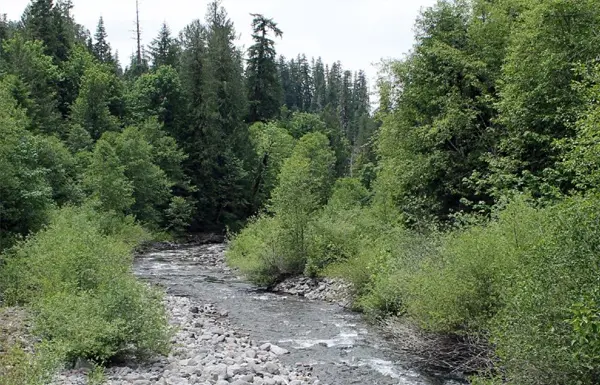
HJ Andrews Experimental Forest
Administered cooperatively by OSU, the Willamette National Forest and the U.S. Forest Service’s Pacific Northwest Research Station, the 15,800-acre Andrews Forest was established in 1948 as a Forest Service experimental forest. It is one of 28 locations funded by the National Science Foundation as a long-term ecological research, or LTER, site and was one of the original six established in 1980. LTER funding is awarded in six-year cycles. In 2026, Oregon State will seek another round of funding based on the research themes of disturbance legacies and environmental change; species interactions and ecosystem responses; and science-policy interfaces in land-use decisions.
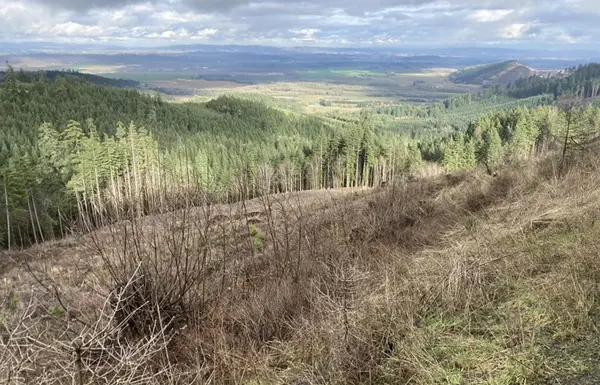
The OSU College of Forestry is working on a new management plan for the OSU-owned 11,500-acre forest in Oregon’s Coast Range foothills. The new plan for the forest, which serve as a self-sustaining, actively managed living laboratory, will address shifting needs for wood products and the growing importance of resilient landscapes. McDonald-Dunn enables experiential education for OSU students and supports long- and short-term research projects for multiple scientists and institutions.
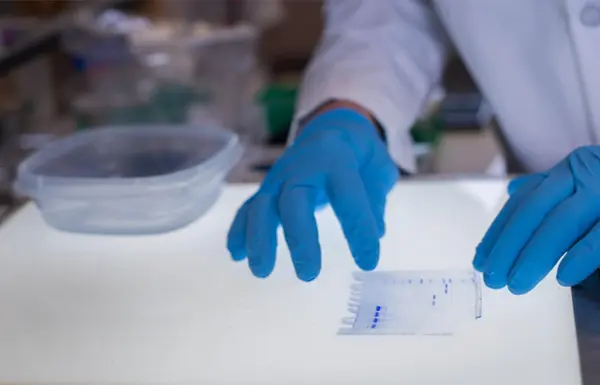
Treating disease with novel proteins
Oregon State University’s GCE4All Center, launched with funding from the National Institutes of Health, optimizes genetic code expansion technologies to engineer cells for producing novel proteins with precise chemical groups and disease-fighting potential. The center’s mission is to improve the technologies underpinning genetic code expansion so they can be more widely used in diagnosing and treating diseases by revealing the mechanisms behind sickness and health. The center has just received new funding from the National Science Foundation through the agency’s CFIRE initiative for researching cell-free systems.
University Profile
colleges, plus the Honors College and Office of Graduate Education:
- Agricultural Sciences
- Business
- Earth, Ocean, and Atmospheric Sciences
- Education
- Engineering
- Forestry
- Health
- Liberal Arts
- Pharmacy
- Science
- Veterinary Medicine
land, sea, space and sun grant universities in the U.S.
acres of college-owned research forests statewide
#2 online computer science in the U.S. (Best Colleges)
#2 online human development and family sciences in the U.S. (Best Colleges)
#2 forestry in the world (Center for World University Rankings)
#2 online bachelor’s in psychology (US News and World Report)
#3 oceanography in the world (Center for World University Rankings)
#4 agriculture in the U.S. (Universities.com)
#5 online bachelor’s in business (US News and World Report)
#7 online bachelor’s degree (US News and World Report)
#11 nuclear engineering (US News and World Report)
#12 online bachelor’s for veterans (US News and World Report)
Top 20 robotics in the U.S. (Successful Student)
students at campuses in Corvallis and Bend, program centers in Portland, Newport and LaGrande, and exclusively online, including international students from over 100 countries
agricultural experiment stations at 14 locations
billion in total Oregon State budget (FY25)
billion in capital projects since 2000